
Industry Insiders — Professor Kylie O’Brien
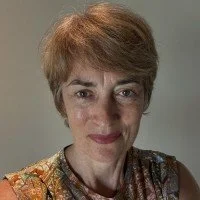
Professor Kylie O’Brien is one of Australia’s leading experts in medicinal cannabis, women’s health, and integrative medicine. With a PhD in Chinese medicine and extensive experience as Chief Scientific Officer across multiple healthcare organisations, she has helped shape the scientific and educational landscape of medicinal cannabis.
Having recently co-authored the newly released Medicinal Cannabis in Women’s Health with Dr. Carolyn Bosak, a groundbreaking clinician’s guide addressing the major evidence gaps in women’s health — we were thrilled to interiew Kylie to explore her insights, research, and the future of plant-based therapeutics for women.
1. Your new book with Dr. Carolyn Bosak is described as a clinician’s guide. What crucial gap in evidence-based knowledge were you trying to fill for medical practitioners, and what makes your book essential reading for those treating female patients?
The purpose of writing our book Medicinal Cannabis in Women's Health, which is written for healthcare practitioners, was to demonstrate that there may be a scientific rationale for the use of medicinal cannabis for many conditions affecting women. The amount of evidence for the use of medicinal cannabis for various conditions, broadly speaking, is variable. What was obvious to me in writing the book was that there is a lack of clinical studies into the potential effectiveness or efficacy and safety of medicinal cannabis in many women's health conditions. We need more research in women. I think that this book can help those clinicians working in women's health to understand the rationale for considering medicinal cannabis for patients.
2. The book provides guidance on common women's health issues like chronic pelvic pain and menopause symptoms. What is the most promising current research showing the efficacy of medicinal cannabis for one of these conditions?
Surveys suggest that some women are using medicinal cannabis for conditions such as chronic pelvic pain (examples include primary dysmenorrhoea and endometriosis) and menopause symptoms, and that many are deriving benefit. We have provided some case studies that demonstrate the medicinal cannabis has been useful for a range of women's health conditions in the book. But on the whole, we are lacking clinical studies including randomised controlled trials that might provide higher level evidence that medicinal cannabis is effective for such conditions. Some exciting research being conducted right now is an observational study into medicinal cannabis for primary dysmenorrhoea, being conducted by the NICM Health Research Institute at Western Sydney University. Observational studies provide real world data on interventions, such as medicinal cannabis. NICM have also begun an observational study into medicinal cannabis for menopause symptoms, and are also conducting a double-blind, placebo controlled trial investigating two medicinal cannabis products in women with endometriosis. It's great to see Australia leading the way in terms of research into women's health and medicinal cannabis.
3. As an expert in both medicinal cannabis and Chinese medicine, how do you see cannabis products best integrated into a holistic treatment plan alongside conventional or complementary therapies?
I see medicinal cannabis as just one option in many for the treatment of health conditions. It is not appropriate for every patient. The foundational pillars of health must be addressed in helping people maintain, regain or optimise health — these include addressing stress, nutrition, physical activity, sleep and our immediate environment around us (there are many environmental toxins we are exposed to in our everyday life and homes). These are factors that healthcare practitioners can empower patients to address in their lives, as chronic stress, poor nutrition, lack of physical activity, poor sleep, and environmental toxins can all negatively impact on health. I think that medicinal cannabis has a place alongside both conventional medicine and complementary medicines. Whether it is appropriate and suitable for individual patients should be determined by the patient and their doctor.
4, Having established Australia's first courses in medicinal cannabis for doctors to be approved for CPD points by the RACGP some years ago, what is the single greatest piece of misinformation or knowledge deficit you still encounter when educating healthcare providers about prescribing medicinal cannabis?
I think that there is still a lot of stigma associated with cannabis, as a result of prohibition in the last century, and the propaganda that was used at the time. I think that many healthcare practitioners do not realise that there is a scientific evidence-base for the medical use of cannabis, that includes preclinical and clinical research, though the evidence base is variable across conditions. We must remember that until relatively recent times, conducting research into the medicinal use of cannabis has been quite difficult in many countries. In addition, medicinal cannabis is often seen as 'one thing' but there are so many different medicinal cannabis products available, with different phytochemical profiles. I think that this can come as a bit of a surprise to many healthcare practitioners.
5. You led a submission to down-schedule low-dose CBD which was unfortunately not successful but did garner wide public support. In your opinion, what more needs to be done to truly unlock over-the-counter access for consumers?
I led a submission to the TGA Scheduling Committee to completely remove CBD (with very low amounts of THC) products completely from the Schedules of the SUSMP and regulate them like any other plant medicine. The TGA put in their own submission to the TGA Scheduling Committee at the same time, and it was their submission that led to the creation of an entry for low-dose CBD in Schedule 3 (Pharmacist-only medicine) of the SUSMP. Our submission was not successful though it did have wide public support as part of the consultation process. This creation of an S3 entry for low-dose CBD products has changed very little to date as there are no medicinal cannabis products currently included under S3 of the SUSMP. I still believe that CBD products with low THC should not be included in the SUSMP. If they are regulated like other forms of complementary medicine, this would still ensure quality but would make them more accessible to the general public. Australia has a very good system for regulation of quality of complementary medicines, under the TGA. You must remember that in the UK and US, CBD products are readily available over the counter.
6. Beyond acute symptom management, how do you envision medicinal cannabis and the targeting of the ECS contributing to overall preventative health and longevity for women?
Medicinal cannabis is not just for acute symptom management. It is useful for many chronic diseases and these chronic illnesses impact on how we age as women (and men). We know that there are changes in the ECS in many chronic illnesses and components of medicinal cannabis interact with the ECS. I think that there are nutritional approaches to supporting the ECS that need more attention, as part of a holistic approach to preventive health and longevity, for women as well as men. Good nutrition is so important for good health, and healthy aging.
Professor Kylie O’Brien’s work underscores the importance of building a stronger evidence base, addressing common misconceptions, and integrating medicinal cannabis thoughtfully within holistic, patient-centred care. From advocating for greater research—particularly where clinical data is lacking—to challenging outdated stigma and leading regulatory discussions around CBD access, her contributions continue to drive the industry toward clearer standards and more informed practice. We appreciate the depth of insight she shared and look forward to seeing how her ongoing research and advocacy help shape the future of medicinal cannabis in Australia and beyond.
For more information, to learn more, connect with Kylie or purchase her latest book, you can visit —
Books: Medicinal Cannabis in Women’s Health: An Evidenced-Based Clinicians Guide
LinkedIn: https://www.linkedin.com/in/prof-kylie-o-brien
Learn More
EQWELLIBRIYUM offers end-to-end consulting for organisations navigating the medicinal cannabis market in Australia. With strategic insights and operational frameworks designed to help you thrive, we’re here to help you. Learn more by contacting us today at hello@eqwellibriyum.com.
Stay Updated
Sign up to our mailing list below to stay updated with industry news & insights.
Disclaimer
This article is for educational purposes only and does not constitute legal advice. For guidance specific to your circumstances, you should seek professional legal advice and / or contact the Therapeutic Goods Administration (TGA) and AHPRA.